
Returning to college football’s past today on MNC Wednesday, we are getting into the final decade of our longtime analysis of the mythical national championship for the sport. We will go to the 1901 season, the year of the first Rose Bowl, and call it a day after that. What a long, strange trip it’s been, eh? These early days of collegiate gridiron giants looks a lot different than the modern landscape, of course, as reflected in the retroactive designations of national champions: a lot of Ivy League schools.
The 1909 MNC: Yale (Helms, NCF); Minnesota (DMP)
For the first time since 1913, we have a singular designated MNC: the Yale Bulldogs. They finished No. 2 in the SRS, thanks to a 10-0 record—despite the No. 28 SOS (out of 74 big-time college teams). That schedule strength could leave the door open for any number of teams in the sabermetric Top 10 to overtake the Bulldogs. Overall, we’re going to look at eight other teams:
- Minnesota (6-1): No. 1 SRS, No. 5 SOS
- Texas A&M (7-0-1): No. 3 SRS, No. 9 SOS
- Sewanee (6-1): No. 4 SRS, No. 3 SOS
- Penn State (5-0-2): No. 5 SRS, No. 25 SOS
- Arkansas (7-0): No. 6 SRS, No. 62 SOS
- Lafayette (7-0-1): No. 7 SRS, No. 49 SOS
- Pennsylvania (7-1-2): No. 8 SRS, No. 10 SOS
- Virginia Tech (6-1): No. 9 SRS, No. 26 SOS
Right away, we can drop the Nittany Lions, the Razorbacks, the Leopards, and the Hokies from the conversation, due to losses, ties, and/or strength of schedule. The numbers for those four teams can’t match our top echelon of squads: the Golden Gophers, the Aggies, the Tigers, and the Quakers. And honestly, the Bulldogs’ record can be overcome by those four teams due to the SOS issues as well. Thus, we continue a streak since 1917 of recognizing that the anointed “champ” is just no such thing.
Now we have to analyze our final four: Minnesota played six big-time opponents, losing only at home to No. 17 Michigan in the final game of the season. That could be problematic; also, the Golden Gophers only went on the road twice all season. Texas A&M also played six real teams, tying No. 27 Texas Christian on the Aggies’ home field. But they did leave home three times, overall. Sewanee played only five major-college opponents, but all five of those games were on the road. Impressive!
Yet the Tigers lost on the road to No. 11 Princeton. Meanwhile, Penn played eight real teams without leaving home at all. That’s insane, really, regardless of the era. How did the Quakers lose?! Well, they tied Penn State and Lafayette, while dropping their game against Michigan. We can safely eliminate Pennsylvania based on that loss to Michigan plus the two ties, as the SOS is the “worst” of the final group under consideration here. The Quakers can’t overcome all those negative results.
With just one cupcake opponent, Minnesota has a tough sabermetric profile to top: the Golden Gophers would have been 3.86-point favorites on a neutral field against TAMU, and that’s significant. Plus, the Aggies have the worst blemish on their record, too, with that tie against a significantly lesser-ranked team in the Horned Frogs. So, it comes down to Sewanee, surprisingly, even with the 4.34-point disadvantage the Tigers bring to the table against Minnesota. And in the end, that gap is too much.
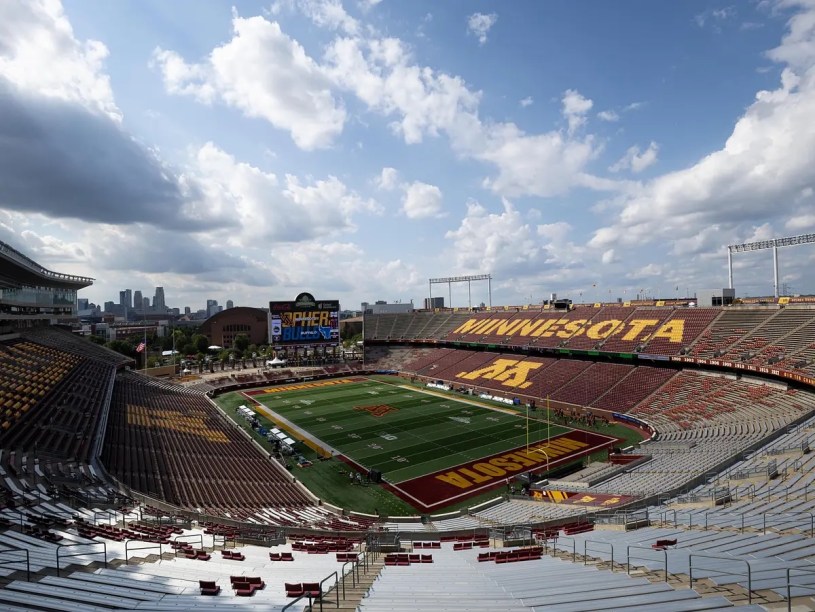
Thus, we bestow our MNC on the Golden Gophers here, for the second time in three years. This is the fifth overall title in our miniseries for Minnesota, none of them coming after 1941. Still, it’s a nice legacy for a school we don’t often think of as a football powerhouse these days, despite its presence in the modern-day B1G. Well done, Gophers!

