
The 2014 San Antonio Spurs won the NBA title with a roster-management brilliance never before seen in the history of professional basketball—and not seen again since, really. The Spurs, who had lost in the NBA Finals the year before rather shockingly, won 62 games to win the Southwest Division and return to the Finals against the same team that had knocked them off the year before. This time, San Antonio won out.
This team was No. 6 on offense and No. 6 on defense, on its way to the No. 1 SRS ranking overall. What stands out about this roster is its blend of veterans and youth—and just how Head Coach Gregg Popovich managed that roster to get the most of it as possible. Eight different players averaged between 21 and 30 minutes per game, with no player topping 30 minutes per game on average for the entire regular season.
Overall, 16 players got at least 10 minutes per game playing time, showing how Popovich managed his veterans—specifically age-37 center Tim Duncan and age-36 shooting guard Manu Ginóbili—and his youth corps, led by age-22 small forward Kawhi Leonard and several other 20-somethings on the team. With age-31 point guard Tony Parker leading the team at 29.4 mpg, the Spurs stayed healthy and still won.
In the playoffs, Popovich tightened the rotation to nine guys over 15 mpg, with no one still playing more than 33 mpg. The healthy-for-their-age Spurs went 16-7 while eliminating, in order, Dallas, Portland, Oklahoma City, and Miami on their way to a fifth championship in 16 seasons. Without major injuries during the regular season, San Antonio stayed fresh and sharp for the playoff grind, successfully so.
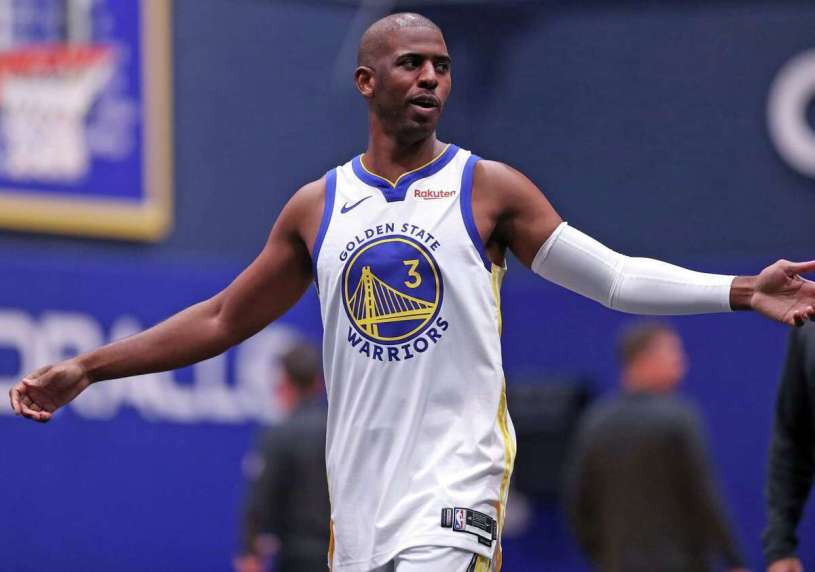
This is the challenge now for the Golden State Warriors, also looking for a fifth title this year (in just a 10-year span). The core of the GSW roster is aging and staring at the NBA sunset: PG Chris Paul (age 38), combo guard Stephen Curry (35), power forward Draymond Green (33), and SG Klay Thompson (33) are all in the final phases of their careers due to extensive playing time and/or debilitating injuries.
Head Coach Steve Kerr can do the same thing Pop did with the 2014 Spurs, since the Warriors also have several younger players on the roster who can augment and support the aging core: forward Andrew Wiggins (28), C Kevin Looney (27), F Jonathan Kuminga (21), and PG Brandin Podziemski (21). Kerr is allegedly one of the best coaches in the league, and it’s time for him to renew that reputation with this team.
If he can manage the team’s minutes to limit injury exposure? The Warriors can still win plenty of games to qualify for the postseason, although maybe not the same 62 that those ’14 Spurs won. But winning 50-plus games should be fine, and then with everyone relatively fresh and healthy for the playoffs, Golden State can play its way to another title—which we feel would bring a fitting end to the mini-dynasty the team created.
Curry has missed an average of 21 games in each of the last three regular seasons, and he isn’t getting any younger. CP3 hasn’t played more than 70 games in a regular season since the 2016 season; Thompson missed almost 2.5 full seasons with leg injuries since getting hurt in the 2019 playoffs. Green played in 73 games last season, but he’s already hurt this preseason. You get the picture: the old guys need protection.
With the NBA imposing new rules about “resting” players, the solution is to limit minutes and maximize depth. The Warriors are in a good position with the younger members of the roster to do just that and ensure the leaders can be ready for the playoffs—and one last title run.
 Daily McPlay: (mostly) Historical Sports Analysis with TENACITY & VERVE