
Another weekend brings us another edition of NHL Saturday and its miniseries for the Original Six era … the time period dominated by the Montréal Canadiens. What is interesting, though, is that two teams won at least four Stanley Cups each during the 1950s. Keep that in mind here as we go back in time another year to explore the major awards for the National Hockey League. Sometimes, the past can surprise us … right?!
1957 Hart: Gordie Howe, RW, Detroit (original); Andy Bathgate, RW, New York (revised)
Five of the overall Top 10 in Point Shares were forwards: two from Detroit and two from Montréal, plus a singleton from New York. With the Rangers claiming the final playoff spot by nine points in the standings, we’re very inclined to reward N.Y. right wing Andy Bathgate (8.1 PS) with the Hart hardware. Maybe the Rangers make it without him; maybe they do not. Either way, he didn’t have the support the others did.
Gordie Howe, Detroit’s legendary RW, posted 11.8 Point Shares to top all skaters and win the vote, but he had support from left wing Ted Lindsay (10.0), while two Montréal Canadiens also finished in the Top 10. Those were the top two teams in the standings, as well, so it makes sense to give Bathgate another trophy here—his third here.
1957 Norris: Doug Harvey, Montréal (original); Red Kelly, Detroit (revised)
Two defensemen finished in the overall Top 10 for Point Shares: Canadiens star Doug Harvey (9.8) and Red Wings stalwart Red Kelly (8.7), who later played center for Detroit in his latter career stage(s). Harvey won seven Norris votes in his career, but we’ve yet to give him one, due to team-quality circumstances. This time, the Red Wings finished higher in the standings, and both were just about even in Defensive Win Shares.
Detroit had a six-point edge on Montréal for the regular season, and Kelly posted 5.3 DWS to Harvey’s 5.4 DWS. In that Top 10 chart, the Habs had the top two, both at 5.4, and five overall skaters in the Top 9. Detroit did have three skaters in the Top 6, all with the same 5.3 DWS marks. It’s easy to see here that Harvey played on a better defensive team, in addition to the Vezina designation of the time below. Kelly is the value choice.
1957 Vezina: Jacques Plante, Montréal (original); Glenn Hall, Detroit (revised)
Here we go again: based on the “rules” of the time, the primary goaltenders from the team that gave up the fewest goals automatically won the Vezina, and this year, it was (again) Jacques Plante (14.2 PS) for the Canadiens. However, Detroit gave up just two more goals than Montréal, and its goalie, Glenn Hall, posted a higher PS mark (14.8) than Plante did. Sabermetric context matters, so … yeah. Value is value, always.
Plante won seven Vezinas in real life, but we’ve only confirmed one of those so far (1959). This is Hall’s seventh Vezina nod from us, demonstrating (perhaps) just how underrated he was by simply not playing for the dominant Canadiens ever. Playing for the right team at the right time can make for an overrated career. We’ve seen this in baseball and basketball, of course, but it happens in every sport—including hockey.
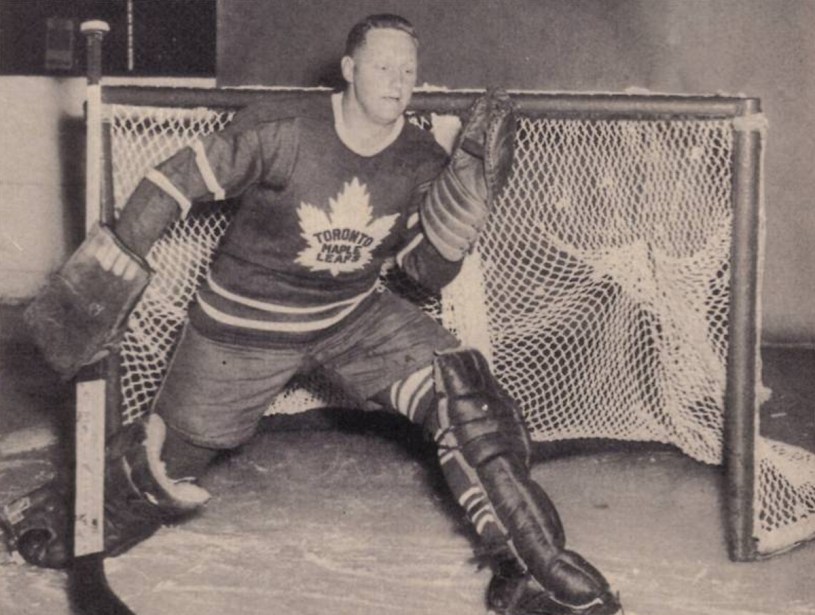
1957 Calder: Larry Regan, RW, Boston (original); Ed Chadwick, G, Toronto (revised)
Despite managing just 2.8 Point Shares, Boston Bruins RW Larry Regan won the Calder vote. Boston finished third, just two points behind Montréal in the standings—but 14 points ahead of the Rangers. The Bruins didn’t need a single thing from Regan to finish third, and a Calder winner should earn a lot more than 2.8 PS, really. Say Regan had earned even 5.0 PS, then Boston finished second, and that truly matters.
Here’s the snag (not really): Toronto Maple Leafs G Ed Chadwick posted 11.8 PS for the fifth-place team. Also, he earned more first-place Calder votes than Regan, but the voters placed Regan in second more than they did Chadwick. He posted five shutouts and a 2.66 GAA for a terrible team that couldn’t score for him at all, even as he faced a boatload of shots on goal (.905 save percentage). This guy was truly the Calder winner.
And this is another season in the Original Six era where we did not confirm any of the “winners” … oh well!
1957 Conn Smythe: Bernie Geoffrion, RW, Montréal
Montréal won another Cup with an 8-2 run through the Rangers and then the Bruins. They outscored their opponents, 37-17, in those games, which means they scored an average of two goals more each time out (including the losses). So, we have two candidates here: RW Bernie Geoffrion (18 points, 11 goals) and Plante (8-2, 1.66 GAA, .936 S%). Plante was great, but somehow, he only posted one shutout in ten games.
That one shutout wasn’t even league leading; thus, as great as Plante was, we’re giving this nod to Geoffrion, who outpointed his closest teammate by six points across the ten-game postseason. That’s pretty significant.
 Daily McPlay: (mostly) Historical Sports Analysis with TENACITY & VERVE