
The Wednesday Wizengamot returns to pass judgment on Major League Baseball (again). We spent 2009-2018 in MLB press boxes around the nation, from Oakland and San Francisco to Seattle and Tampa Bay. We saw a lot of shenanigans, heard a lot of whispers, and experienced considerable madness. Today, we still love the sport, deep in our hearts, but things need to get better, as we were reminded this week, yet again.
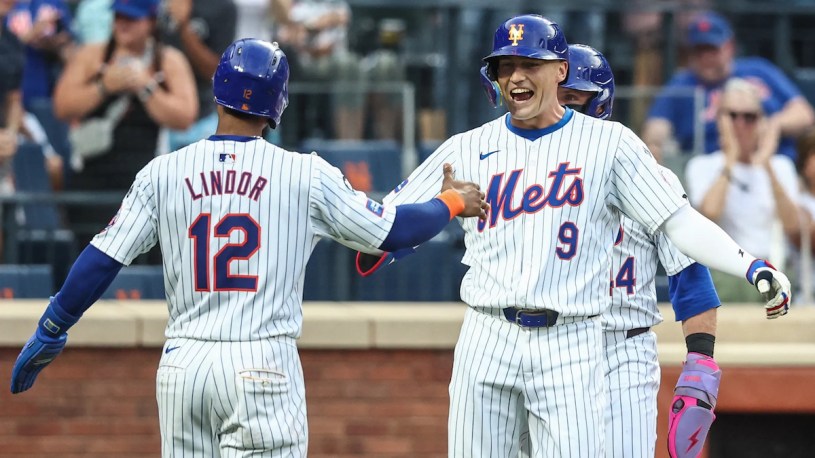
ESPN isn’t the best journalism outlet for sports, but sometimes its pieces make us head scratch—like this one. The spending inequity in MLB is terrible for competitive balance: the New York Mets have spent more on players’ salaries in the last four years than the Miami Marlins, Pittsburgh Pirates, and Tampa Bay Rays each have spent, overall, in the last 21 seasons. Let that data point sink in for a moment, please. It’s unreal.
Sure, the Mets haven’t been able to buy a World Series title (yet), but we all know the high-payroll teams dominate October. We’ve explored this many times in the last handful of postseasons. In contrast to the Mets spending $1.36B in the last four years, the nomadic Athletics ($269) and the Pirates ($271M) have spent the least. Pittsburgh has been a long-suffering city in MLB, having last won the World Series in 1979.
The A’s, of course, have had up-and-down payrolls since the early 1990s, when they had the highest payroll in a different era of MLB economics (think Camden Yards and the stadium-building revolution). The Athletics organization last won the World Series in 1989, but the team has made 11 postseason appearances in this century, while the Pirates have just three postseason berths since the early 1990s. As for Tampa Bay?
The Rays have made it to two World Series (2008, 2020), because like the A’s, they have been very good at developing their own players, trading for underrated players, and selling their talent off at the right times to reload the roster. As for the Marlins, they haven’t won a playoff game since winning the 2003 Series, going 0-5 in two different postseasons combined. These franchises have had different results with money.
So, why does baseball not have a real salary cap? Part of the reason is the strength of the MLB Players Association, a union which set the standard for all professional sports in America almost 50 years ago with its aggressive approach to wresting some financial control of the sport away from the owners. But the reality remains that the NBA, the NFL, and the NHL have much better salary equity among teams, period.
We all know the NBA salary cap is kind of ridiculous, and the NFL one is almost as bad. The NHL actually has a salary cap and a salary floor, keeping all the teams in a closer-bundled realm of expenditures and creating a lot of competitive balance, despite the fact a Canadian team has not won the Stanley Cup since 1993. That is just a coincidental circumstance, though, as many teams north of the border have thrived.
Can the MLB players stash their greed and do a bit for the greater good of the sport, in general, and its long-suffering fans in the numerous cities that haven’t seen a winner in decades due to being in smaller TV markets? We don’t know; it’s sad, though, to see “America’s Pastime” succumb to greed like this, even if it follows the same pathway as the nation itself, obviously. Yet soon the sport will be unwatchable for most.
The TV ratings for the 2020-2023 World Series were the worst in history, and only because of the Shohei Ohtani Factor—not to mention the two largest markets in the nation being involved—did the 2024 World Series experience a boost in viewership. The league certainly can’t count on the Los Angeles Dodgers to make to the Fall Classic every year and bring that international viewing to the equation. Or can it? Hmmm.
Either way, it’s time for a real salary cap in MLB, like the one the NHL uses. The NBA and the NFL should use that model, too, in truth, but we’re focusing on baseball today since the new season is around the corner—and the spending inequities are just getting bigger and bigger. The current difference between the Dodgers’ spending ($321M) and he Marlins’ funding ($47M) is just ridiculous. Take one for the sport, fellas.
 Daily McPlay: (mostly) Historical Sports Analysis with TENACITY & VERVE