
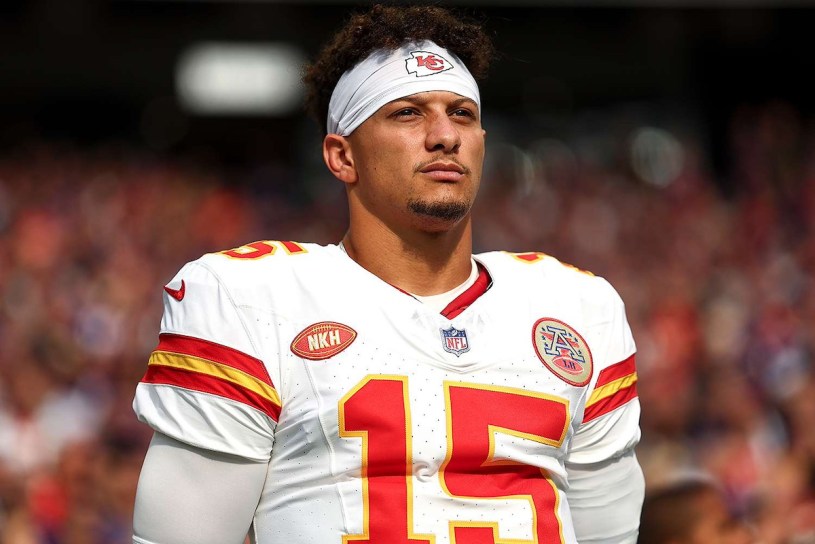
When we were young, we chafed at the idea that the NFL’s passer rating meant anything, as a quarterback could go 3-for-3 on a drive, passing for 9 yards, and have to punt the ball—but his QB rating would be higher than the quarterback who completed just 1 of 3 passes on a series, for 11 yards, and kept the drive going. That made no sense to us, but then we didn’t have a very good understanding of statistics then, either.
QB No. 1 above would have a QB rating of 79.2, which isn’t great, while QB No. 2 in our specific example would have a QB rating of 45.1 and be thought of, on paper, as terrible. That comparative example is a statistical anomaly and not a statistical norm. It could happen every so often, but it would not repeat itself forever to create an actual trend or real-life scenario. The law of averages, of course, evens out anomalies.
So, QB rating really is a rather effective measurement of QB play, in the sense it weighs completion percentage, yards per attempt, touchdown percentage, and interception percentage when spitting out an overall rating. We have used QB rating pretty reliably over the years to determine our league MVP picks, for example, and when a multifaceted QB is on the consideration block, we just add in rushing numbers, also.
There are other factors that determine a QB’s quality, of course: sack rate, for one, is not used in QB rating, mostly because it is too dependent on offensive line quality. And yes, much of the QB rating itself is dependent on receiver corps quality, too. Football is a team sport, more so than most, yet the QB still has a tremendous amount of influence over the result. A QB is the one player who makes others better, period.
Emphasis over the last decade on completion percentage demonstrates this, and it’s been proven to be one of the best predictors of NFL success for college QBs, too: completion percentage. Accuracy matters, and accuracy depends on many other mental and physical attributes for the position. Better accuracy means more yards, more TDs, and fewer INTs, and modern quarterbacks often put up video-game numbers now.
So, who are the best QBs in NFL history for QB rating in the regular season and the postseason? Look:
- Top 10 regular season
- Aaron Rodgers: 103.6
- Patrick Mahomes: 103.5
- Deshaun Watson: 100.8
- Russell Wilson: 100.0
- Dak Prescott: 99.0
- Drew Brees: 98.7
- Joe Burrow: 98.6
- Kirk Cousins: 98.2
- Lamar Jackson: 98.0
- Jimmy Garoppolo: 97.6
- Top 1o postseason
- Mahomes: 105.8
- Bart Starr: 104.8
- Kurt Warner: 102.8
- Matthew Stafford: 101.7
- Matt Ryan: 100.8
- Rodgers: 100.1
- Josh Allen: 100.0
- Nick Foles: 98.8
- Alex Smith: 97.4
- Brees: 97.1
First, the regular-season list features 9 active QBs, so we know the list is slanted toward the modern passing game emphasis noted above. Second, the postseason list is more diverse, but at the same time, it’s barely so. Third, there are three names on both Top 10 lists, and those guys really should be at the top of the list for anyone looking to identify the most statistically effective quarterbacks in NFL history, regardless of era bias.
Four QBs from the first list have won Super Bowls; seven QBs from the second list have won Super Bowls. Obviously, there’s a more direct correlative in the second list between QB rating and title-winning success. However, Mahomes, Rodgers, and Brees have demonstrated themselves to be the most consistent QBs from regular-season to postseason, and they’ve all won Super Bowls. That tells us something we should focus on.
 Daily McPlay: (mostly) Historical Sports Analysis with TENACITY & VERVE