
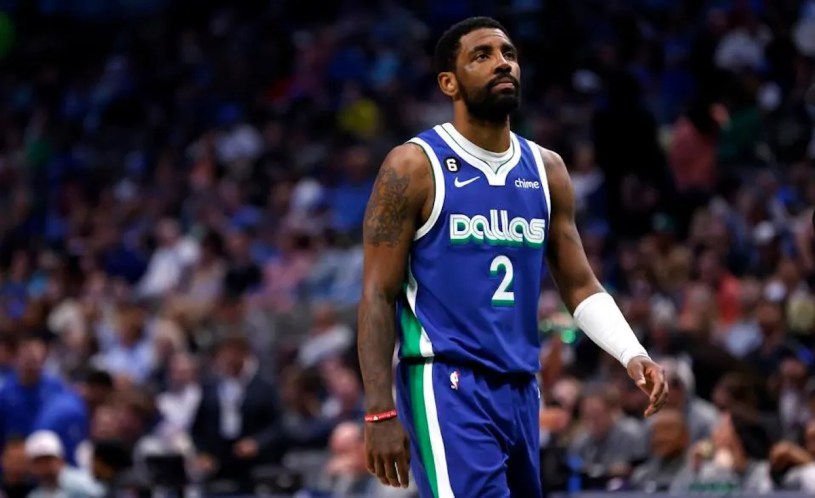
Forget the math; this is all about the money. Once the Dallas Mavericks and the Boston Celtics reached the conference finals of the NBA playoffs, it was only a matter of time before the two teams clinched their respective playoff series to advance and face each in the NBA Finals themselves. It comes down to television revenue, of course, since both the Indiana Pacers and the Minnesota Timberwolves lack international stars.
Look at the size of the 4 markets, in terms of televisions: Dallas is fifth, while Boston is eighth. Minneapolis is 15th, which is okay—while Indianapolis is 25th (!) overall. For decades now, we’ve seen the NBA (and the other major professional sports, as well, plus the college revenue-generating ones, too) definitely find ways to maximize TV advertising revenue in its playoff matchups, and this year is no exception. Look here now:
- Boston is up 3-0 on Indiana, and it should be based on the math. Maybe this isn’t such a big deal, then. However, this core group of Celtics has been underachieving for awhile, so combined with the TV market data, this is definitely one of those situations where no chances could be taken;
- Dallas is up 3-o on Minnesota, which is a surprise based on math. The T’Wolves should be a 4-point favorite on a neutral court based on sabermetrics, yet the Mavericks won the first 2 games on the road by a combined 4 points. Home-court advantage is usually worth at least 3 points, in truth, so instead of coming out minus-14 in those 2 games away from home, Dallas pulled out an 18-point swing. Huh.
That may not be shocking, per se, considering the superstars on the Mavericks roster; however, the NBA playoffs are less volatile than other sports in terms of seeding upsets. Overall, baseball and hockey routinely see much more underdogs winning due to the volatility of each respective sport’s dynamics. Meanwhile, basketball is the game most easily influenced by an official’s whistle—or swallowing of one.
Who knows if the Mavericks or the Celtics will end up sweeping their playoff series, but it’s rare for an NBA team to overcome an 0-3 deficit to win a playoff series. By June 6, we expect to see Game 1 of the Finals in Boston, with Dallas on the opposite side. Who wins that series should come down to math alone, although the sabermetrics also suggest the Celtics should sweep that one, too. We guess it will go 6 games, though.
Why? Money. Dallas also features international stud Luka Dončić: he is a Slovenian god, basically, and much of Europe will tune in to watch him pursue his first NBA title at the young age of 25 this spring. This just ups the ante for the NBA and its revenue generation: milking the matchup with Boston in the Finals will only make the league, its owners, and its players that much more wealthy. Don’t say we didn’t warn you.
 Daily McPlay: (mostly) Historical Sports Analysis with TENACITY & VERVE