
We received a random email soliciting our support yesterday for equal compensation in women’s professional sports, and it was rather tone deaf. It included this gem: “… she’ll be paid less than the average acupuncturist, elevator repairer, and police detective in the US,” in reference the overrated Caitlin Clark and her status as the No. 1 overall pick in the WNBA Draft. We don’t even know where to start with this crap.
First, professional sports are entertainment industries—not publicly funded, taxpayer-supplied jobs. If the NBA No. 1 overall pick gets $10M, as this email claimed, it’s because of supply and demand for that product—not because there’s some mandate in the entertainment industry that men and women have to be paid equally. This is why various products in society cost different amounts of money, too: supply and demand.
[Despite all the hyperbolic noise about TV ratings, the supply for women’s sports remains significantly higher than the demand, sadly. That’s the issue here which should be focused upon by activist groups.]
Second, the WNBA and the NBA do not play equal schedules: the women play a 40-game regular season made up of 40-minute contests, while the men play an 82-game schedule consisting of 48-minute matchups. Why would they get paid the same when WNBA players are working “less”? The WNBA athletes don’t even play half the games the NBA players do, and each game is 8 minutes shorter. Equal pay?! Why?!
Third, this email basically insults other professions and workers, suggesting they’re not as “important” as a professional athlete’s career. Acupuncturists are health-care providers—and important ones at that who help people stay able-bodied, active, and functional in society. Elevator repair workers do something that saves lives. And police detectives? Do we really need to spell this out for the audience? Good grief, folks. Come on!
Professional athletes are entertainers; they’re not vital pieces of societal machinery necessary for the American way of life to survive. Health-care providers, infrastructural mechanics, and law enforcement are necessary elements everyone in the United States—and the world—requires to maintain some semblance of what our founding documents call life, liberty, and the pursuit of happiness. Sports don’t really qualify.
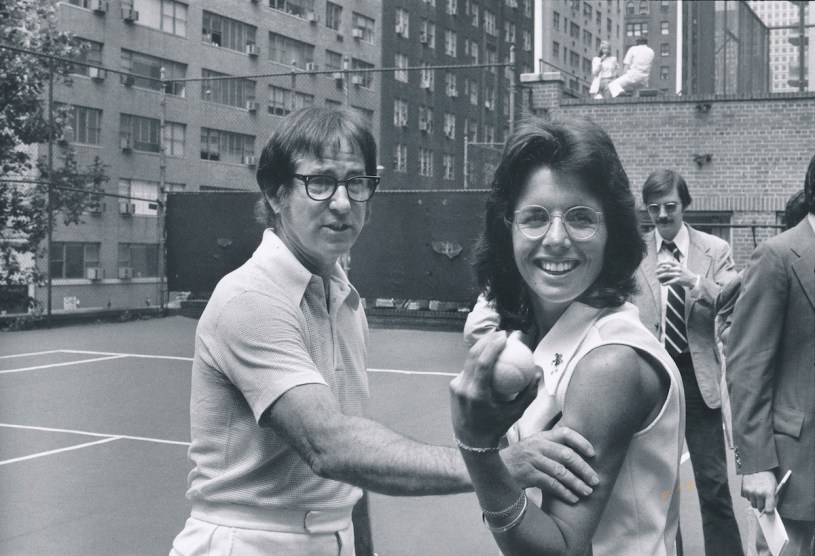
Lastly, this dumb email included this quote from American tennis legend Billie Jean King: “Everyone thinks women should be thrilled when we get crumbs. I want women to be able to have the cake, the icing, and the cherry on top too.” Women’s tennis has long been fighting for equal pay, but the last we checked, the same issues apply: supply and demand, as well as less time on the court since women play fewer sets per match.
While the principle of the debate is firmly on the side of those fighting for gender equality, logical fallacies employed in arguing for equal pay stand out to anyone with an ounce of critical thinking skills. We realize that’s only about one quarter of the population, but consider that women’s pro basketball has been around in the U.S. for almost 30 years—and it’s still nowhere near as big, popular, or sought after as the men’s game.
You can’t force equality in a free-market society, and we don’t need an economics degree to explain that. It doesn’t matter how “good” a player or team is perceived to be; the only equal-pay requirement under the 14th Amendment applies to government-funded, taxpayer-supplied employment—like teachers, law enforcement, military personnel, college athletics, etc. Entertainment is all about supply and demand.
 Daily McPlay: (mostly) Historical Sports Analysis with TENACITY & VERVE